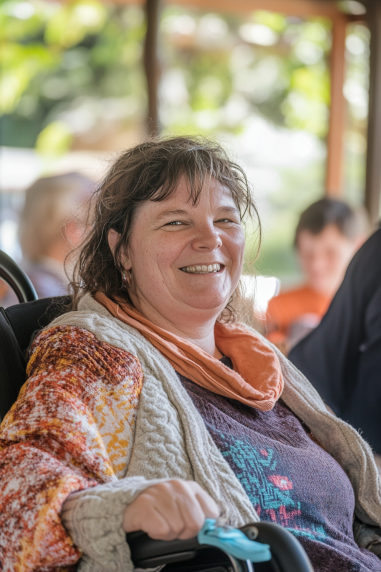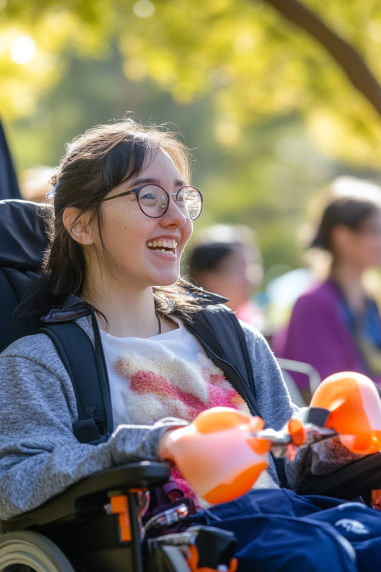
Group and Centre Based Activities under the NDIS are designed to provide individuals with disabilities the opportunity to participate in structured, social, and recreational activities within a supportive environment. These activities are held in group settings or specialized centers and are tailored to help participants build social connections, develop new skills, and enjoy a sense of belonging within their community. By engaging in these activities, participants can enhance their independence, self-confidence, and quality of life.
In this post, we’ll look at what Group and Centre Based Activities involve, how they fit into an NDIS plan, and the benefits they offer to participants and their families.
Understanding Group and Centre Based Activities Support
Group and Centre Based Activities offer a variety of programs, all structured to support participants in their social, recreational, and skill-building pursuits. These programs cover a wide range of interests and are conducted in a safe, accessible environment where individuals can interact, learn, and grow.
Examples of Group and Centre Based Activities:
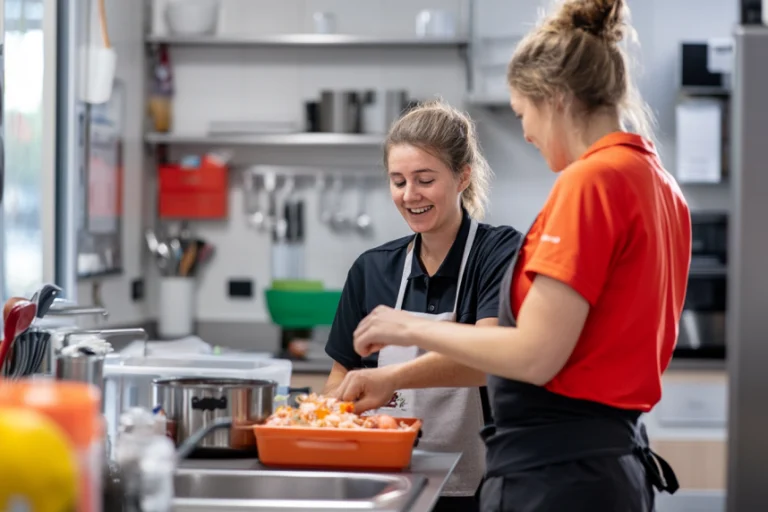
- Life Skills Development: Programs that focus on developing essential life skills, such as cooking, budgeting, or personal care.
- Recreational Activities: Engaging in activities like arts and crafts, music, sports, or games, which provide enjoyment and encourage creativity.
- Social Interaction Programs: Opportunities to connect with others in group discussions, support circles, or shared-interest clubs.
- Educational Workshops: Classes and workshops covering various topics, from technology use to health and wellness.
- Community Outings: Group trips to local attractions, parks, or events, helping participants integrate with the broader community.
These activities provide a supportive space for participants to engage with others, explore new hobbies, and develop skills that can be applied in daily life.
How Group and Centre Based Activities Fit into Your NDIS Plan
Group and Centre Based Activities are generally funded under the Core Supports category in an NDIS plan. This type of support can be tailored to each participant’s individual goals, such as enhancing social interaction, learning new skills, or improving daily living skills. The funding covers access to programs that align with the participant’s interests and abilities, and a support coordinator can assist in identifying specific activities that support personal growth.
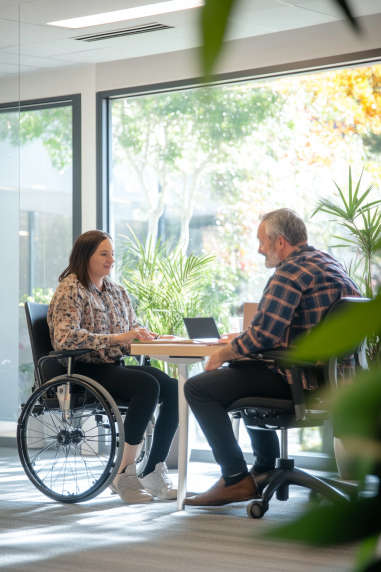
Participants can work with their NDIS planners or support coordinators to determine which activities align best with their goals and ensure that the necessary funding is allocated for participation in group and center-based programs.
Benefits of Group and Centre Based Activities Support
The impact of participating in Group and Centre Based Activities goes beyond simply filling time; these activities provide numerous benefits that support personal development and well-being:
- Improved Social Connections: Regular group activities foster friendships and social networks, reducing isolation and enhancing emotional health.
- Increased Confidence: Engaging in group settings and trying new activities helps participants build self-confidence and develop a positive self-image.
- Enhanced Skill Development: Structured activities allow participants to learn and practice valuable skills, from basic life skills to more specialized abilities.
- Greater Community Inclusion: Community outings and group-based experiences encourage participants to feel connected to the community.
- Supportive Environment: Participants engage in activities in a safe, welcoming environment where they can express themselves freely and build a sense of belonging.
Tips for Maximizing Your Group and Centre Based Activities Support
To make the most of your NDIS-funded Group and Centre Based Activities, consider these tips:
- Choose Activities that Align with Your Interests: Select programs that reflect your hobbies or goals. Pursuing activities you enjoy will make the experience more fulfilling.
- Set Personal Goals: Define what you hope to achieve through these activities, whether it’s making friends, learning a new skill, or staying active. Having goals helps keep you motivated.
- Engage with Your Support Team: Work with your support coordinator to identify and sign up for activities that match your needs and interests.
- Try New Things: Be open to exploring new activities or skills; you may discover new passions or talents.
- Stay Consistent: Regular participation strengthens social bonds and helps you gain more from the activities, fostering a sense of routine and community.
Final Thoughts
Group and Centre Based Activities under the NDIS are more than just recreational—they’re an essential component of personal growth, social connection, and community engagement. By participating in these programs, individuals with disabilities can enjoy fulfilling experiences that improve well-being, build life skills, and create lasting relationships.
If you or a loved one are interested in Group and Centre Based Activities, reach out to your NDIS planner or support coordinator. They can help you identify the right programs and ensure your plan includes the necessary support for full participation in these valuable activities.