Daily Personal Activities under the NDIS provide essential support for individuals with disabilities to complete everyday self-care tasks, ensuring they can live as independently and comfortably as possible. This support focuses on assisting participants with personal activities they may find challenging to manage on their own, from grooming and dressing to mobility and meal preparation. With tailored assistance, the NDIS helps participants maintain their dignity, independence, and quality of life, allowing them to participate fully in their day-to-day routines.
In this post, we’ll explore what Daily Personal Activities support includes, how it integrates with an NDIS plan, and the benefits it provides to participants and their families.
Understanding Daily Personal Activities Support
Daily Personal Activities support covers a range of self-care and personal assistance tasks that enable participants to live independently and safely. This support is designed to be flexible, adapting to the unique needs of each participant to ensure they receive the right level of assistance.
Examples of Daily Personal Activities:
- Personal Hygiene: Assistance with bathing, showering, grooming, and dental care to ensure participants maintain good hygiene.
- Dressing and Undressing: Help with selecting and putting on clothes, suitable for participants’ comfort, weather, and preferences.
- Toileting Support: Assistance with toilet use, continence management, and other bathroom needs to promote dignity and hygiene.
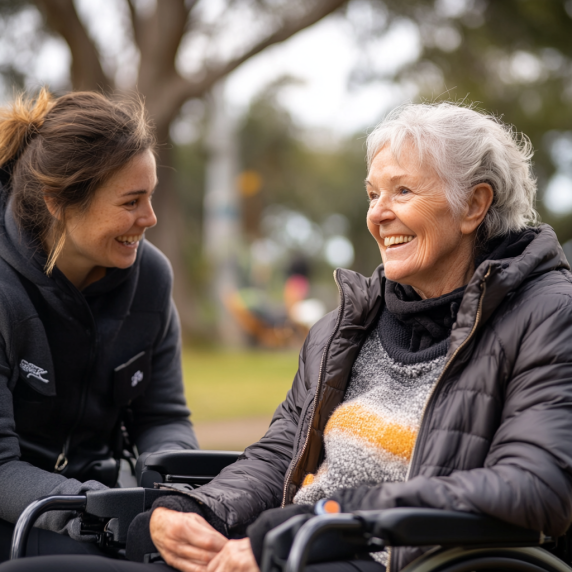
- Mobility Assistance: Support with movement around the home, including transferring in and out of bed or a wheelchair.
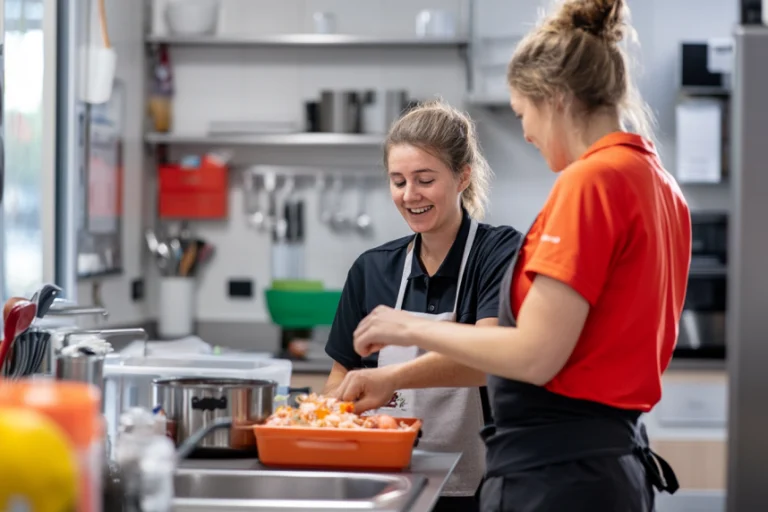
- Meal Preparation and Eating: Assistance with preparing meals, feeding, and following any dietary requirements.
- Medication Reminders and Administration: Support in taking medications correctly and on time, especially for those needing assistance with doses or monitoring.
- Exercise and Physical Activity: Help with basic exercises, stretching, or other physical activities, as guided by a health professional, to support mobility and well-being.
Each of these tasks is essential to daily living, ensuring participants’ needs are met in a way that promotes independence, comfort, and safety.
How Daily Personal Activities Fit into Your NDIS Plan
Daily Personal Activities support is typically funded under the NDIS Core Supports category, specifically under the Daily Living Supports component. The level of support varies based on each participant’s individual needs, preferences, and goals, with services tailored to ensure they receive appropriate help in completing self-care tasks.
Participants and their NDIS support coordinators work together to assess specific personal care needs and determine how these supports can best be included in the NDIS plan. This funding can also be adjusted over time to match changes in participants’ needs or goals.
Benefits of Daily Personal Activities Support
The support provided for daily personal activities goes beyond basic assistance, offering significant benefits for participants’ independence and quality of life:
- Enhanced Independence: With assistance in daily tasks, participants can maintain control over their routines and live more autonomously.
- Improved Health and Hygiene: Support with personal care promotes good health and hygiene, ensuring participants’ well-being.
- Greater Dignity and Comfort: Personal assistance respects the participant’s needs and preferences, promoting a sense of dignity in daily life.
- Relief for Families and Caregivers: Families gain peace of mind knowing their loved one is receiving the necessary personal support, reducing the caregiving burden.
- Confidence in Daily Life: Regular support helps participants feel more confident and comfortable in managing their day-to-day lives.
Tips for Maximizing Your Daily Personal Activities Support
To make the most of your NDIS-funded Daily Personal Activities support, consider these practical tips:
- Communicate Your Preferences: Let your support worker know how you like to complete tasks, as personalized care can help you feel more comfortable.
- Set Daily Goals: Identify small goals for greater independence, like managing certain tasks on your own with minimal assistance.
- Involve Your Support Team: Work closely with your support coordinator and personal care team to regularly assess and adjust the support to your needs.
- Establish a Routine: A consistent daily routine can help you feel organized and secure in managing personal tasks.
- Practice Independence: If there are tasks you wish to do on your own, let your support worker know so they can guide you safely and provide encouragement.
Final Thoughts
Daily Personal Activities support through the NDIS is a crucial service for participants needing assistance with self-care, offering a pathway to independence, comfort, and confidence in daily life. By addressing essential personal care needs, this support empowers participants to maintain a high quality of life while engaging fully in their routines and communities.
If you or a loved one could benefit from Daily Personal Activities support, reach out to your NDIS planner or support coordinator to discuss your needs. They can help incorporate this vital support into your NDIS plan, ensuring the right level of assistance for a safe, comfortable, and independent lifestyle.