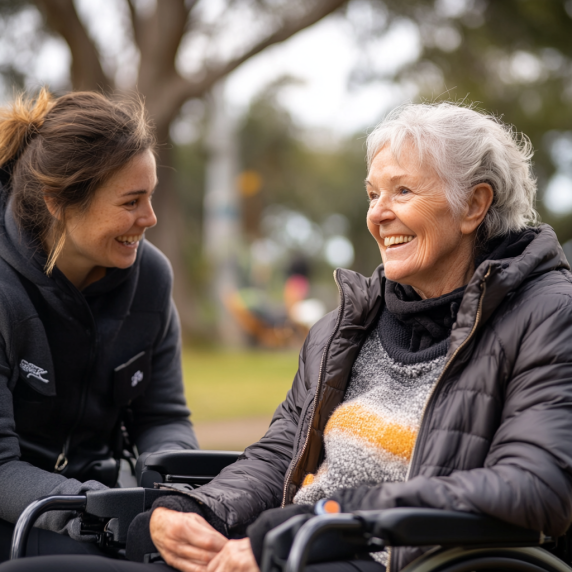
High Intensity Daily Personal Activities under the NDIS provide essential support for individuals with complex needs, ensuring they receive the specialized assistance required for daily living. This type of support is specifically designed for participants who need a higher level of care due to medical conditions, behavioral needs, or other intensive requirements. By offering trained and skilled support workers, the NDIS ensures that individuals can engage in their daily routines safely, effectively, and with dignity.
In this post, we’ll dive into what High Intensity Daily Personal Activities entail, how they are incorporated into your NDIS plan, and the benefits they bring to both participants and their families.
Understanding High Intensity Daily Personal Activities Support
High Intensity Daily Personal Activities cover a range of essential tasks that require specialized skills to support participants in their everyday lives. These activities are tailored to meet the unique needs of each individual, from complex health management to behavioral support, ensuring they can maintain their independence and well-being.
Examples of High Intensity Daily Personal Activities:
- Complex Bowel Care: Support with bowel care routines managed by trained staff.
- Enteral Feeding and Nutrition Support: Assistance with tube feeding for individuals who cannot eat orally.
- Ventilation and Tracheostomy Management: Ensuring proper respiratory support for those who require it.
- Medication Management: Specialized assistance with medication administration, particularly where self-administration is not possible.
- Wound and Pressure Care: Assistance with wound care to prevent infections and manage health effectively.
- Behavioral Support Needs: Care for individuals with challenging behaviors, ensuring a safe and supportive environment.
These activities are delivered by support workers with specific training to manage high-risk or complex situations, helping participants engage in daily life with confidence and security.
How High Intensity Daily Personal Activities Fit into Your NDIS Plan
High Intensity Daily Personal Activities are funded under the NDIS Core Supports category. This funding allows participants to access skilled assistance for crucial daily activities, ensuring their health, safety, and well-being. Based on each person’s unique needs and goals, this support is customized and integrated into the NDIS plan by a support coordinator or plan manager.
Participants and their families work closely with their NDIS planning team to ensure that the required high-intensity supports are identified and funded appropriately. This flexible service adapts to each individual’s changing needs, providing them with reliable, consistent support.
Benefits of High Intensity Daily Personal Activities Support
The impact of this support on participants and their families is significant. Here are some of the key benefits:
- Enhanced Safety and Health: With skilled professionals managing high-intensity needs, participants experience improved health outcomes and greater safety in daily routines.
- Increased Independence: Reliable support allows individuals to participate in daily activities they may otherwise struggle with, helping them maintain independence.
- Peace of Mind for Families: Knowing that trained staff are available to provide complex care gives families assurance and reduces the strain of caregiving.
- Customized Care: Each participant’s specific needs are met with tailored support, making daily life smoother and less stressful.
- Greater Quality of Life: With high-intensity needs managed professionally, participants can focus on enjoying their lives and engaging with the world around them.
Tips for Maximizing Your High Intensity Daily Personal Activities Support
To make the most of your NDIS-funded High Intensity Daily Personal Activities, consider the following:
- Identify Your Needs: Work with your support team to identify all high-intensity activities in your daily life. Clear documentation helps secure the right level of support.
- Communicate with Providers: Regularly update your support coordinator on any changes to your care needs. Open communication helps in planning adjustments.
- Choose Experienced Support Workers: Select providers with experience in managing complex care needs to ensure quality and reliability.
- Monitor and Adjust: Review your care plan periodically to make sure it reflects any new needs or conditions.
- Ensure Proper Training: Verify that your support workers are trained in the specific high-intensity tasks you require.
Final Thoughts
High Intensity Daily Personal Activities support through the NDIS is essential for participants with complex needs, offering a safe, dignified, and supportive environment for daily life. With the right support, participants can achieve greater independence and well-being, enhancing their quality of life and providing peace of mind for families.
If you or a loved one requires High Intensity Daily Personal Activities support, reach out to your support coordinator or NDIS planner. They can guide you in identifying your needs and incorporating this vital support into your plan.
4o