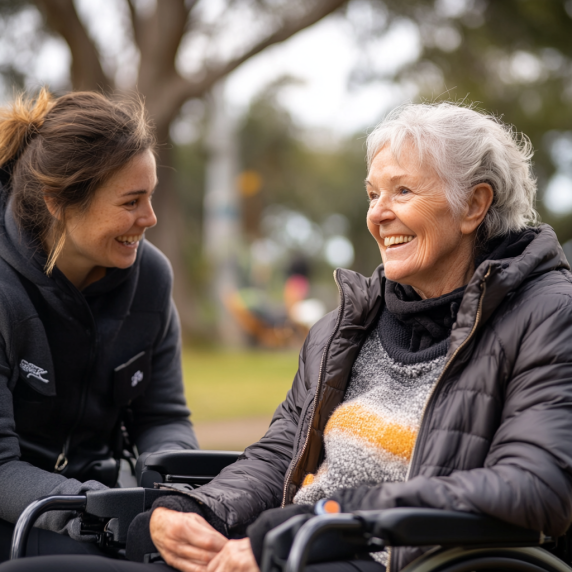
Community Nursing Care under the NDIS is essential for individuals with complex health needs, offering professional medical support in the comfort of their own homes or communities. This service provides a range of healthcare tasks, from routine monitoring to specialized medical procedures, helping participants manage their health conditions and live more independently. By working with trained nurses, participants can receive personalized care tailored to their unique health requirements, improving their overall quality of life.
In this post, we’ll explore what Community Nursing Care through the NDIS involves, how it fits into your NDIS plan, and the benefits it offers to you and your family.
Understanding Community Nursing Care Support
Community Nursing Care encompasses medical and healthcare services delivered by registered nurses, tailored to support participants with specific health needs. This service focuses on managing complex medical conditions, promoting recovery, and ensuring participants’ health and well-being in a familiar environment.
Examples of Community Nursing Care Services:
- Medication Administration and Management: Ensuring timely and accurate administration of medications.
- Wound Care: Professional wound management to prevent infections and promote healing.
- Chronic Disease Management: Support for ongoing health conditions, such as diabetes or heart disease, through monitoring and health advice.
- Catheter and Stoma Care: Specialized assistance for managing catheters, stomas, or other medical devices.
- Respiratory Support: Care for participants with respiratory issues, including oxygen therapy and tracheostomy management.
- Post-Surgical Care: Follow-up care to support recovery after surgical procedures.
With skilled nurses available, participants and their families can feel reassured that healthcare needs are managed professionally, safely, and in line with individual care plans.
How Community Nursing Care Fits into Your NDIS Plan
Community Nursing Care is typically funded under the NDIS Core Supports or Capacity Building categories, depending on the participant’s needs and goals. This funding allows for essential medical care that may be ongoing or temporary, ensuring participants can access professional nursing support as part of their daily routine.
During the NDIS planning process, participants and their support coordinators collaborate to identify necessary healthcare supports, which are then integrated into the NDIS plan. This approach ensures that Community Nursing Care aligns with individual health goals, providing flexibility and adapting to changing medical needs.
Benefits of Community Nursing Care Support
The support of community nursing care has a profound impact on participants, improving their health management and overall lifestyle. Here are some of the key benefits:
- Improved Health Outcomes: With regular, professional care, participants can better manage health conditions, reduce hospital visits, and prevent complications.
- Enhanced Independence: Access to at-home nursing support allows individuals to remain in their familiar environment while receiving necessary healthcare, fostering a sense of independence.
- Peace of Mind for Families: Knowing a skilled professional is handling medical needs eases the caregiving burden on families, allowing them to focus on other aspects of support.
- Tailored Care Plans: Nurses provide care that is customized to each participant’s specific medical needs, making daily life safer and more comfortable.
- Greater Quality of Life: By addressing health concerns effectively, community nursing care enables participants to engage more actively in their lives and communities.
Tips for Maximizing Your Community Nursing Care Support
To get the most out of your NDIS-funded Community Nursing Care, consider these steps:
- Regularly Review Health Needs: Periodically assess your health requirements with your support coordinator or nurse to ensure that your care plan remains aligned with your current needs.
- Maintain Open Communication: Keep communication open with your healthcare team to address any changes or concerns as they arise.
- Select Experienced Providers: Choose NDIS-registered nurses with experience in your specific medical needs for reliable and quality care.
- Document Health Goals: Make sure your NDIS plan includes clear health-related goals, which will guide your nursing care and ensure support aligns with your long-term needs.
- Utilize Flexible Care Options: Work with your support team to explore flexible scheduling and care options that suit your lifestyle and health priorities.
Final Thoughts
Community Nursing Care under the NDIS is more than medical support—it’s about providing stability, confidence, and independence for participants managing health challenges. By bringing expert healthcare into the home, this support ensures that participants can enjoy a safer, healthier, and more fulfilling life.
If you or a loved one could benefit from Community Nursing Care, connect with your NDIS planner or support coordinator. They can assist you in identifying the right services and incorporating this essential support into your NDIS plan.