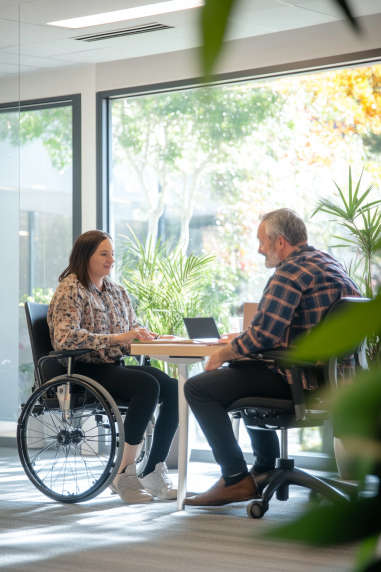
Development of Daily Living & Life Skills under the NDIS provides participants with essential support to learn and enhance skills necessary for independent living. This support is tailored to each individual’s unique needs and goals, helping them gain the confidence and capability to manage daily tasks, make informed decisions, and navigate life more independently. By focusing on skill-building, the NDIS empowers participants to live more self-sufficiently, improving their overall quality of life and opening up opportunities for personal growth and community engagement.
In this post, we’ll explore what the Development of Daily Living & Life Skills involves, how it fits into an NDIS plan, and the benefits it brings to participants and their families.
Understanding Development of Daily Living & Life Skills Support
This support area focuses on helping participants acquire practical skills and confidence to handle daily tasks independently. From personal care to household management, life skills development covers a wide range of abilities that contribute to a person’s autonomy and quality of life.
Examples of Daily Living & Life Skills:
- Personal Care Skills: Learning routines for grooming, dressing, and managing hygiene independently.
- Household Management: Skills like cooking, cleaning, laundry, and organizing living spaces.
- Budgeting and Money Management: Understanding how to manage finances, pay bills, and save for future needs.
- Social and Communication Skills: Developing interpersonal skills to enhance social interactions, build relationships, and communicate effectively.
- Travel Training: Learning to use public transportation, understand routes, and navigate safely in the community.
- Decision-Making and Problem-Solving: Skills to make informed choices, solve problems, and manage daily challenges confidently.
These skills equip participants to live independently, manage their homes, and engage actively in their communities.
How Development of Daily Living & Life Skills Fits into Your NDIS Plan
Development of Daily Living & Life Skills is typically funded under the Capacity Building Supports category in an NDIS plan. This support is customized to each participant’s goals, so the specific skills and training covered will vary. For example, one participant may focus on financial literacy, while another may prioritize learning cooking and meal planning skills.
Participants work with their support coordinator to determine which life skills will most benefit their independence and well-being, ensuring the appropriate funding and support are allocated in their NDIS plan.
Benefits of Development of Daily Living & Life Skills Support
Learning life skills through the NDIS brings a wide range of benefits to participants, helping them thrive independently and enjoy greater involvement in their communities:
- Greater Independence: By learning essential daily skills, participants are able to handle more tasks on their own, fostering self-reliance.
- Increased Confidence: Successfully managing daily responsibilities boosts self-confidence and gives participants a greater sense of control over their lives.
- Improved Social Interactions: Social skills development helps participants form relationships, communicate effectively, and engage in social settings with confidence.
- Enhanced Safety and Security: Skills like budgeting and travel training help participants navigate the world safely and make responsible decisions.
- Better Quality of Life: Independence in daily living and self-management leads to an overall improvement in life satisfaction, as participants experience more freedom and autonomy.
Tips for Maximizing Your Development of Daily Living & Life Skills Support
To make the most of your NDIS-funded life skills development support, consider the following tips:
- Set Realistic Goals: Start with achievable, clear goals for skill development. Focus on what you want to accomplish, such as cooking independently or managing your own budget.
- Practice Regularly: Repetition helps reinforce new skills. Incorporate life skills practice into your daily routine to build confidence over time.
- Engage with Your Support Team: Work closely with your support coordinator and any other life skills trainers who can guide you in learning each skill.
- Be Patient and Persistent: Learning new skills takes time, so celebrate small successes and continue practicing even when challenges arise.
- Take Advantage of Community Resources: Many community organizations offer workshops or classes in areas like cooking, budgeting, or social skills. Participating in these can enhance your skills and provide additional support.
Final Thoughts
Development of Daily Living & Life Skills through the NDIS is more than just training; it’s a pathway to greater independence, confidence, and empowerment. By mastering daily skills, participants can take charge of their lives, engage in their communities, and enjoy a more fulfilling, self-sufficient lifestyle.
If you or a loved one could benefit from Development of Daily Living & Life Skills support, reach out to your NDIS planner or support coordinator. They can guide you in identifying skill-building opportunities that align with your goals and help incorporate this valuable support into your NDIS plan.